
AI and the world of work
What AI is already changing, what humans still do better, which tasks are becoming automated, and how young people should think about AI as a professional tool rather than only a shortcut for homework.
Speaking & workshops
Talks and workshops for teenagers, students, parents and educators about AI, education, careers, skills, independence and the world of work.
The goal is not to predict one perfect profession. It is to help young people understand how the world around them is changing, see more possibilities, ask better questions and start exploring before they have to make major decisions.
01 — Why this matters
Education gives young people foundations. But industries, technologies, companies and career paths are changing faster than school programmes can fully reflect.
Teenagers are still expected to make major decisions about subjects, universities and careers, often without seeing what work actually looks like outside school. My sessions help close that gap.
Understand how AI, technology, energy, business and other industries are changing the way people work.
See why subjects, skills and projects matter outside exams and grades.
Learn how to investigate professions, companies, universities and opportunities before making major commitments.
02 — The experience behind it
I have spent more than 15 years across geology, energy, software and technology, working in international companies and projects across Europe, the Middle East, India, Australia and other markets.
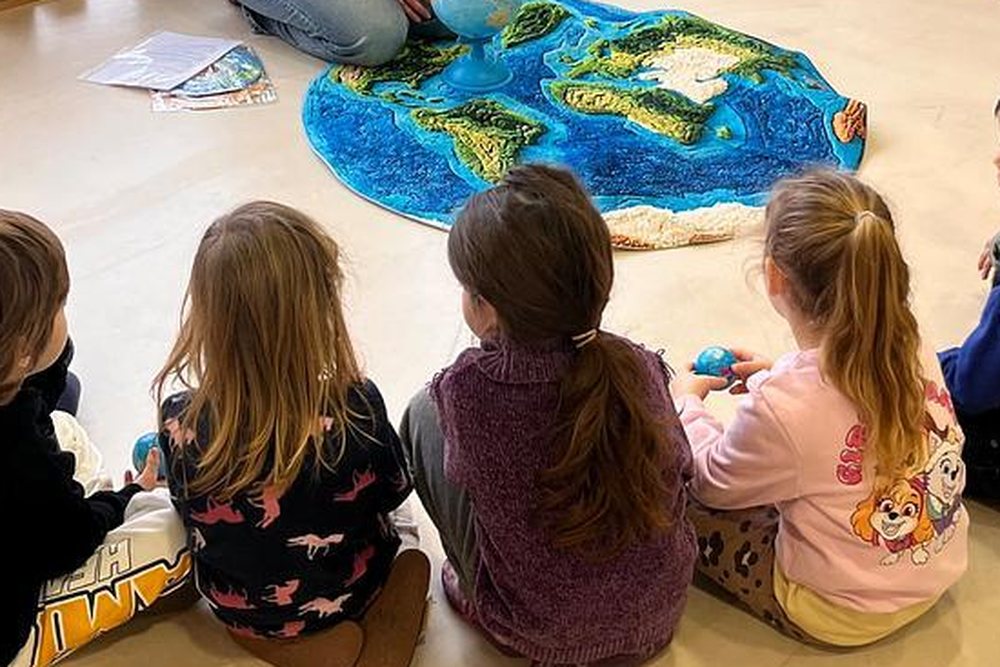
I have led multidisciplinary teams, worked with geoscience software, AI and machine-learning solutions, and been involved in real technical, business and investment decisions. I also regularly explain these worlds to children, teenagers and students in schools, camps and educational programmes.
That combination matters. Young people do not need another abstract lecture about “the future.” They need someone who can show them what industries, companies and professional environments actually look like, and explain it in language they understand.
03 — Topics I cover
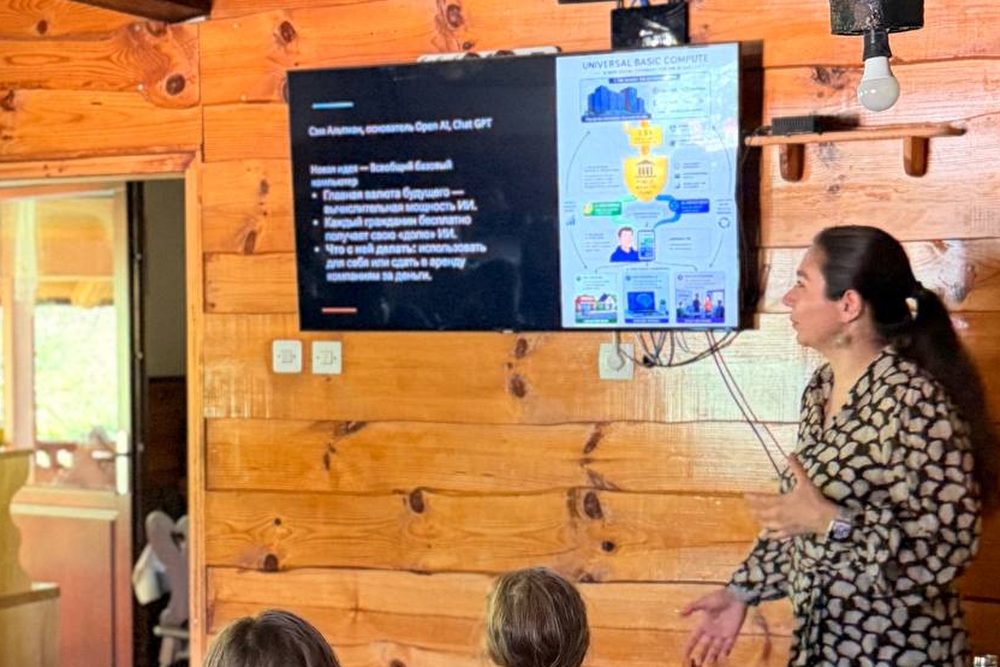
What AI is already changing, what humans still do better, which tasks are becoming automated, and how young people should think about AI as a professional tool rather than only a shortcut for homework.
Why a profession is more than a job title. How industries, companies, teams and roles connect, and why the same education can lead to very different careers.
Research, communication, problem solving, AI literacy, learning how to learn, independence, networking, financial literacy and initiative.
How maths, physics, geography, coding, languages, economics and other school subjects connect with real technologies, companies and professions.
How teenagers can test possible directions through projects, university events, company visits, internships, volunteering, competitions, conversations and online communities.
How to understand what studying somewhere is actually like, and how to speak with students, graduates and professionals before making a major decision.
How young people can start learning from professionals and gradually build a useful network without pretending to already have a career.
Budgeting, understanding income, financial responsibility, different ways people earn money, and why financial literacy should begin before the first full-time job.
04 — What students leave with
More awareness of industries, professions, technologies and opportunities beyond their immediate environment.
A better understanding of how school, university, skills and real careers connect.
Specific ways to research professions, universities, companies and real people.
A stronger habit of finding information, asking questions and making decisions themselves.
Every session ends with something students can actually explore, try, research or discuss afterwards.
05 — Formats
45 to 60 minutes
A clear, visual talk for teenagers or university students, followed by questions.
Best forSchool assemblies, student groups, university communities, camps.
60 to 120 minutes
More discussion, exercises and practical work.
Possible activities
60 to 90 minutes
For parents who want to understand how education and careers are changing, and what they can practically do at home without turning every conversation into career pressure.
60 to 90 minutes
For teachers, counsellors and educational teams.
Focus on
06 — Example session topics
07 — How I work with young people
I do not tell teenagers which career to choose. I try to make the world around them more visible. We start with real companies, technologies, industries, people and problems. Then we work backwards:
The goal is curiosity first, then exploration, then better decisions.
Widen the field before narrowing it.
08 — Real educational experience
09 — Who this is for
10 — About Julia
Julia Sherman is a geoscientist and technology professional with more than 15 years of international experience across energy, software and technology.
She has worked across multiple countries and markets, led multidisciplinary teams and worked with AI and machine-learning solutions in real professional environments.
Through Map Your Horizon, she translates those experiences into practical conversations for young people and the adults supporting them.
She speaks English and Russian and is based in Slovenia.
Tell me about the age group, audience size, location and the questions you would most like the session to address.
English or Russian · online or in person